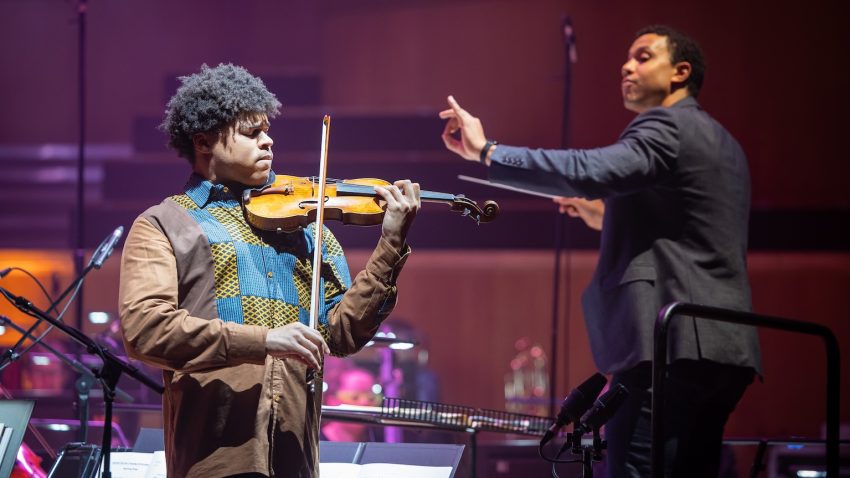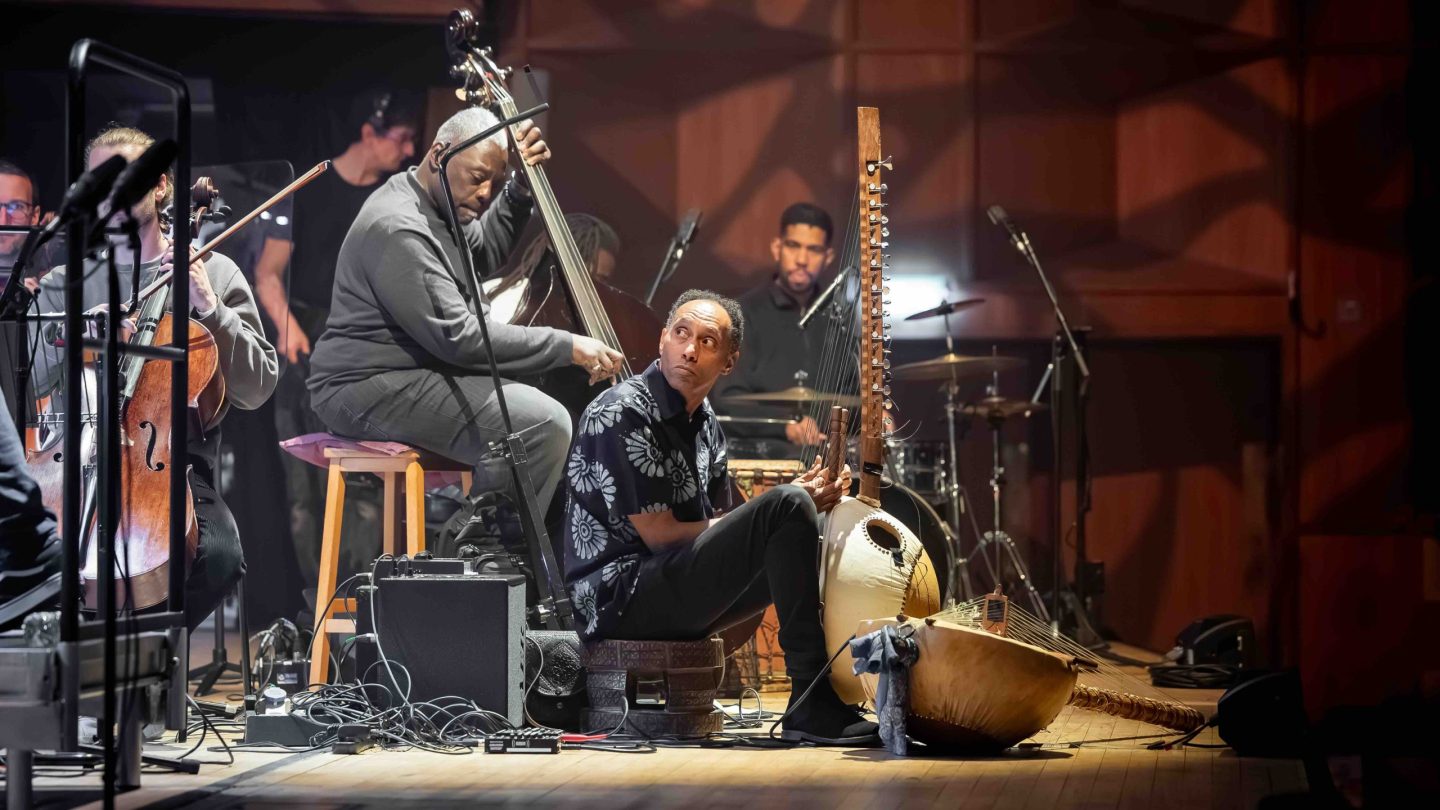
We celebrated Samuel Coleridge-Taylor’s 150th birthday with kora player and composer Tunde Jegede.
You’ve had an amazing career as a world-renowned composer, producer, cellist and kora player – where did your passion for music begin?
My passion for music began as a child from before I could talk. My father had a poetry and percussion group and I was playing a hand drum from the age of one. I did my first radio performance aged 5 on a programme called Black Londoners with Alex Pascall.My mother listened to classical music, as her father was a pianist and church organist down in Cornwall, and I loved the music of Bach. I also spent a lot of my childhood at the Keskidee Centre, Britain’s first Black Arts Centre where I was immersed in music such as reggae, Dub poetry and Calypso. So, in my childhood one could say I was exposed to an eclectic mix of African, Classical and the music of the African-Caribbean experience.
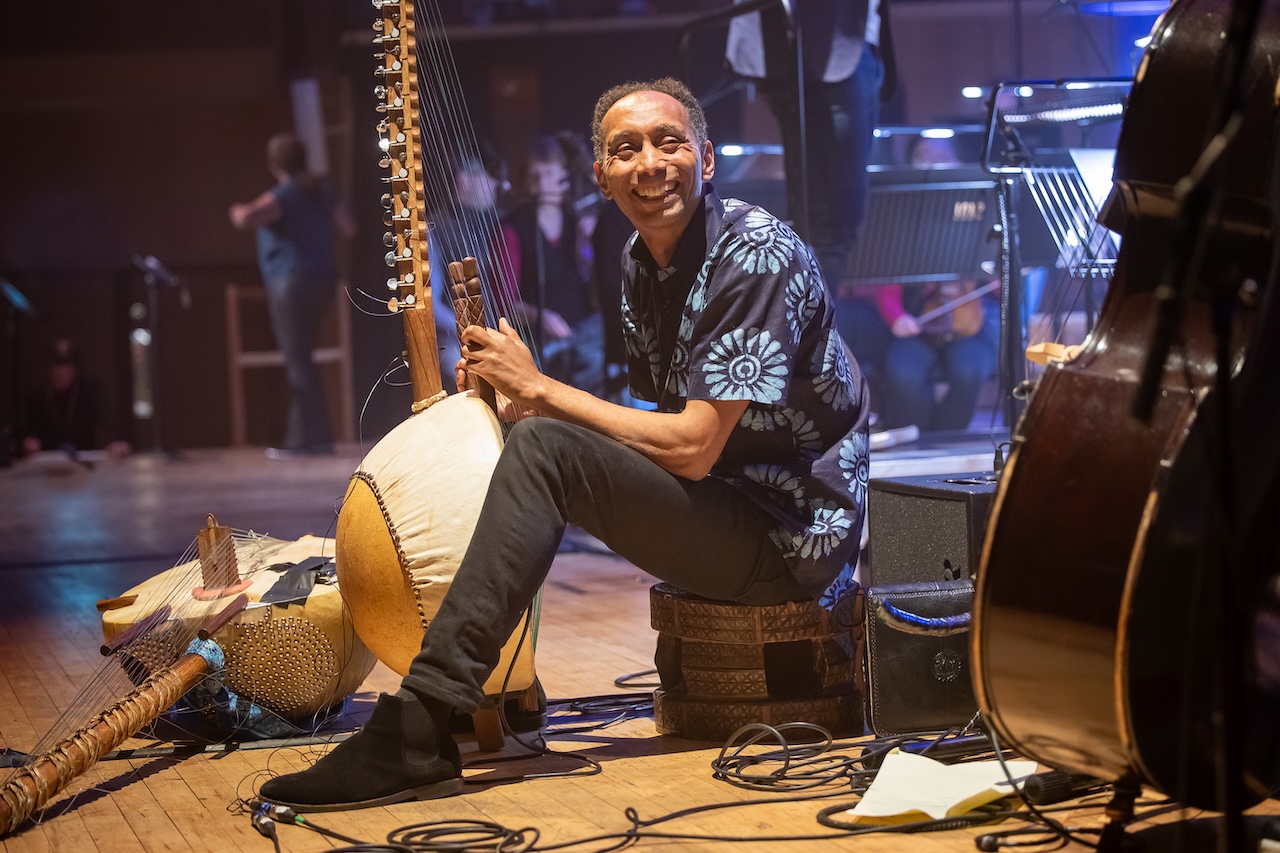
It was at the age of seven that I first heard the cello and kora and with both instruments I was immediately drawn to their sound and knew I wanted to play them. At that time I had no idea they were from such different traditions and worlds. I just loved their sound and was drawn to that.
I began learning the cello and that path took me to the Purcell School of Music and then on to Guildhall School of Music and Drama. I also began to study with a Master of the Kora, Amadu Bansang Jobarteh, and this took me to The Gambia at the age of eight where I learnt the Kora and the wider aspects of the Griot Tradition. The griots are hereditary musicians from West Africa that hold the oral history and cultural memory of the people in Mandé countries such as Gambia, Senegal, Guinea and Mali and the music has been within a guild of five principle families since the 13th century.
In my teens I took an interest in the music of the Jazz idiom and was around the seminal jazz orchestra, The Jazz Warriors, which was led by Courtney Pine. At that time I worked with vocalists and musicians such as Cleveland Watkiss and Orphy Robinson and started to tour internationally with them. Ultimately, I came to composition as a form and medium that could make all the worlds I worked in, and was performing in, make sense in a unified way.
It was at the age of seven that I first heard the cello and kora and with both instruments I was immediately drawn to their sound and knew I wanted to play them.
This year we celebrate the anniversary of the great composer and conductor Samuel Coleridge-Taylor. How do you feel about being part of the anniversary celebrations in Croydon?
For me it is an honour to be called upon to contribute musically to the anniversary of Samuel Coleridge-Taylor by Croydon Council and London Mozart Players. He was a pioneer who etched a path in classical music that had not been trod before. There had been black classical musicians before, but not composers, and he was one of the first to overtly create music that truly brought together European and African elements within his compositions.
He also had an immense impact on the musical world of African-American choral and symphonic music through his many visits to the USA bringing his music and his ideas. He was even referred to as the ‘African Mahler’ by the musicians performing his work in New York. It seems that his work and contribution to British music has been quite understated and I am happy to be part of project that really helps to bring his story and legacy back to the forefront, particularly in his home borough of Croydon!
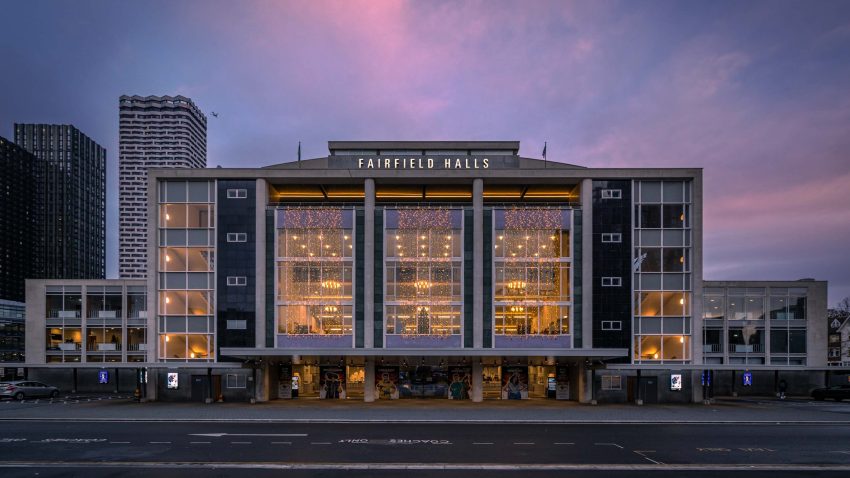
Tell us about the concert you will be performing at Fairfield Halls this October in honour of Samuel Coleridge-Taylor and the new piece of music you are creating for it.
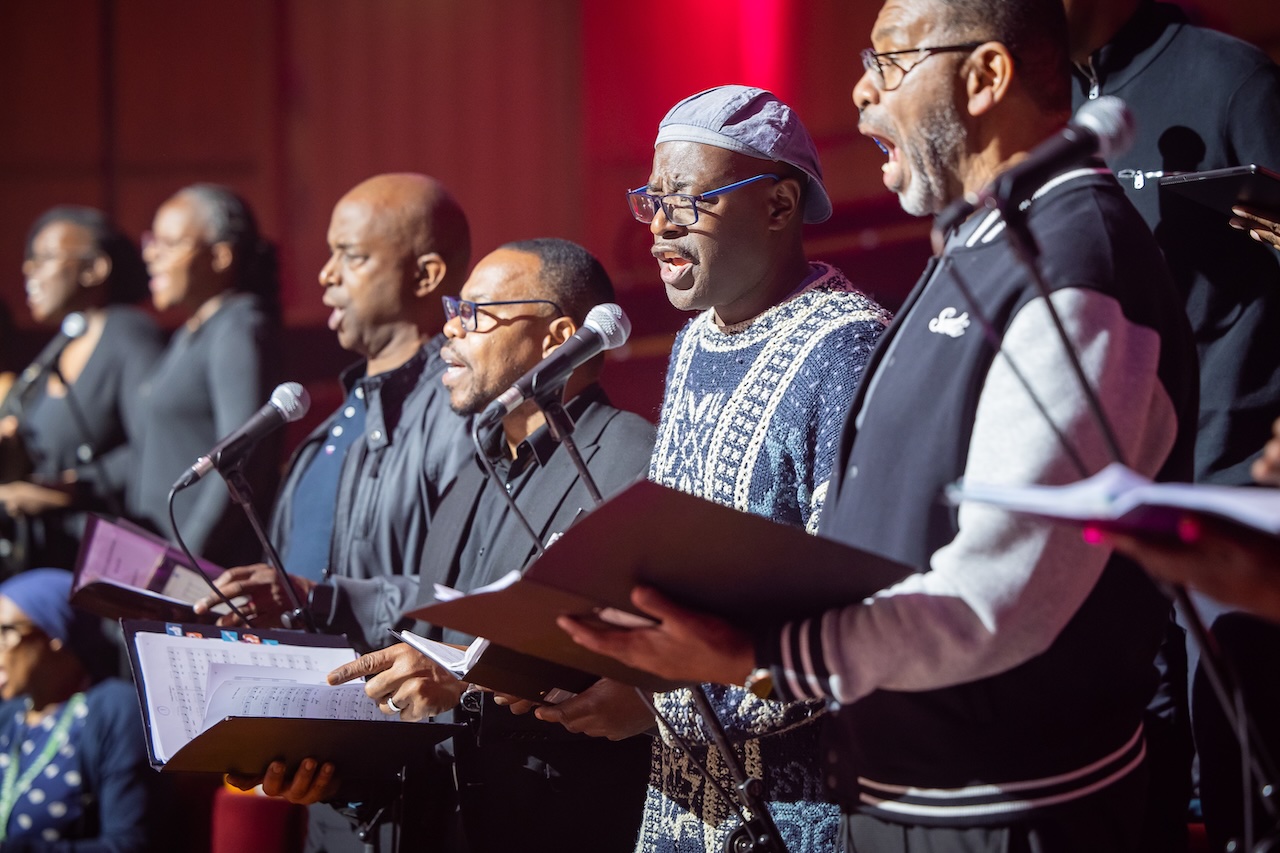
I am still in the conception stages of creating this new piece but I know I want it to touch on the same ideas and musical language that Samuel Coleridge-Taylor was exploring in his huge body of work. It is incredible how much music he managed to write in such a short life-span against all the odds. For this piece I will be featuring the voices of the Croydon Seventh Day Adventist Choir and London Mozart Players with European and African classical influences including the sounds of the Kora, West African Harp-lute. The piece will be drawing on both classical and African sound-worlds reflecting the musical ideals of Samuel Coleridge-Taylor himself.
I think it is great that Croydon Council Arts Department have really got behind celebrating Samuel Coleridge-Taylor with this special concert to mark his anniversary. It should be a great concert with pieces that explore all the cultural references and elements that were such an integral part of Coleridge-Taylor’s work.
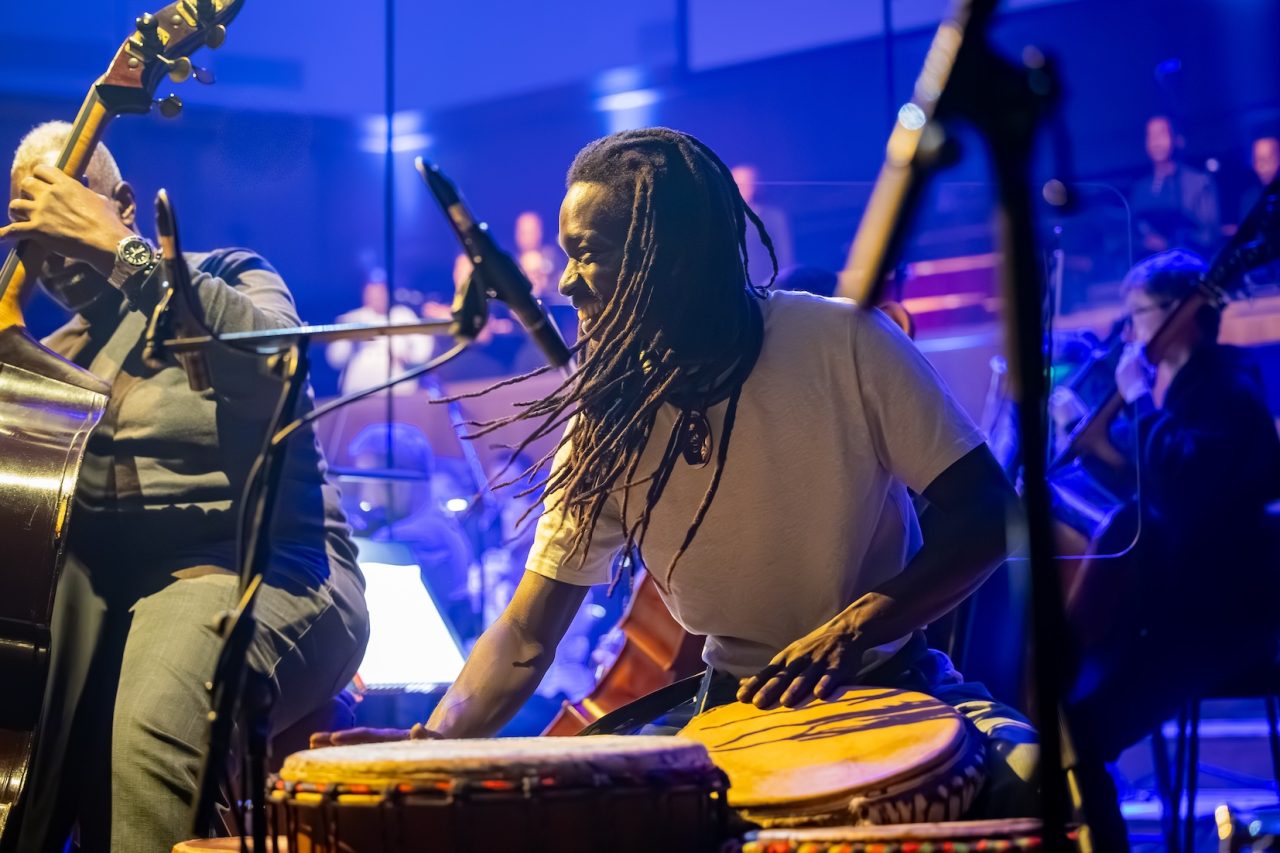
As well as my piece, we will have some spirituals performed by the Croydon Seventh Day Adventist Choir and a new piece from the gifted young composer, Ryan Morgan, winner of the Samuel Coleridge-Taylor Prize. Together with the London Mozart Players, one of UK’s finest classical orchestras, it promises to be a dynamic and majestic occasion with something for the people of Croydon that has a diversity of musical tastes and genres. From Africa to the Caribbean, America to London we hope it will be a joyous evening to remember him by.
You might also be interested in these
Created by Croydon