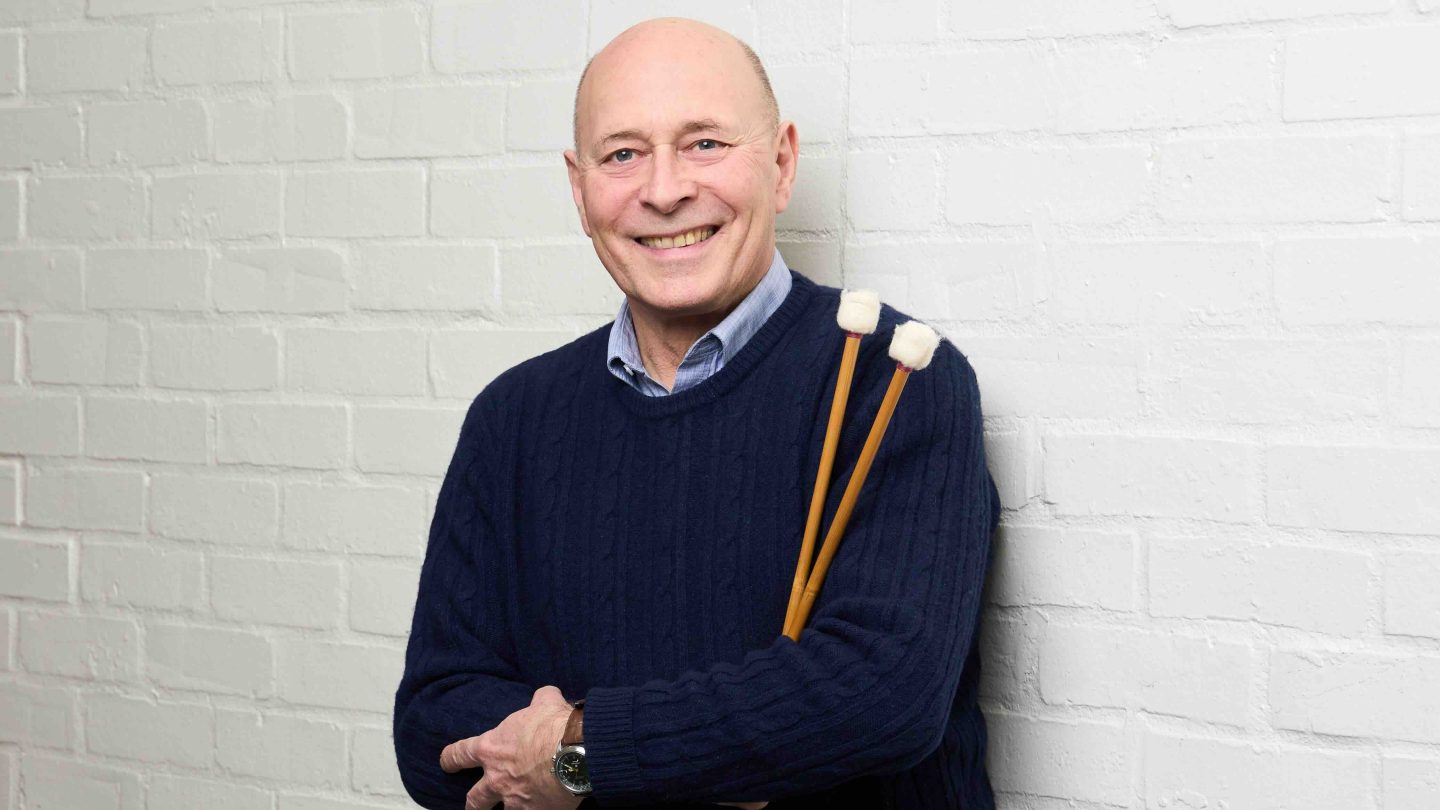
Our Principal timpani, Ben, talks us through the trials and tribulations of Beethoven’s writing.
Tell us about your approach to interpreting works by Beethoven – does it differ to other orchestral composers?
Beethoven broke the boundaries of standard timpani notation rhythmically and harmonically. While only ever writing for a pair of drums he broke the universal tonic and dominant convention by frequently calling for the timpani to be tuned in octaves, sixths and in his opera Fidelio, a diminished fifth! Beethoven frequently presents a special challenge to the timpanist. While often demanding controlled power and assertive articulation, at other times he calls for the greatest sensitivity and delicacy. In his Violin Concerto, he calls for the timpani to begin the work with four soft solo beats. These four notes form the genesis of the first movement and need to be executed with the appropriate and irresistible nuance.
Beethoven ensures that the timpanist remains integral to the proceedings, galvanising the orchestra until the very last beat of the symphony.
The timpani is often used to build drama and tension in orchestral works, which is particularly important in the ‘Eroica’ symphony. How do you see your part contributing to the atmosphere?
‘Eroica’ is undoubtedly one of the greatest pieces in the entire repertoire. For the timpanist each of the four movements presents its own challenges. The triumphant and irresistible tutti passages during the first movement, the epic grandeur of the Funeral March, where the timpanist engages in a noble solo accompaniment followed by an explosion of trumpets and drums in the scherzo, all combine to make great musical and technical demands on the player. During the Finale, Beethoven ensures that the timpanist remains integral to the proceedings, galvanising the orchestra until the very last beat of the symphony.
Have a read of some of our other stories
The best kind of Déjà vu
Italian sunshine is the recipe for genius